2000s type beat, How Producers Rebuild the R&B-Pop Sound of the Early 2000s
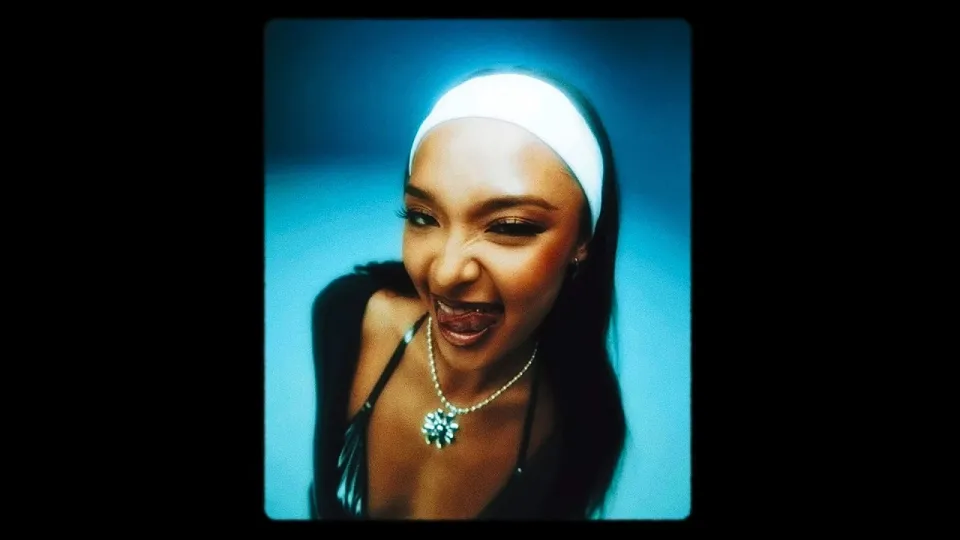
Video: (FREE) 2000s x 90s R&B-Pop Type Beat - "Cry Me A River"
· based on the channel Kontrabandz
A 2000s type beat is an original instrumental built to match the sound of early-2000s R&B-Pop — clean guitars, programmed drums, wide sub-bass and glossy vocal-ready arrangements — rather than a sample of an existing hit. Producers make them so singers and rappers can write new songs in that era's style without clearing a major-label master. A recent example is Kontrabandz's "Cry Me A River" beat, a 90 BPM track in C# minor offered as a free download and lease purchase for anyone who wants to record over it.
What a 2000s type beat actually is
A 2000s type beat is a newly composed instrumental that copies the production grammar of the early-2000s charts, not the recordings themselves. The producer writes original chords, drums and melodies, then labels the beat after the artists or songs it resembles — "Justin Timberlake type beat," "Aaliyah type beat," "Timbaland type beat" — so the right vocalists can find it.
The distinction matters legally and creatively. A sample-based beat borrows an actual master or publishing asset and needs clearance; a type beat borrows only a style. That is why the same instrumental can be tagged for several references at once. Kontrabandz's upload is filed under 2000s R&B, 90s R&B, Aaliyah, Timbaland, Kehlani, Chris Brown and Justin Timberlake tags simultaneously, because one arrangement can serve a range of voices.
The production template behind the era's sound
The early-2000s R&B-Pop sound is a small set of repeatable choices, and most type beats in this lane follow them closely.
- Tempo. Most records in the style sit between 85 and 105 BPM. Kontrabandz's beat is set at exactly 90 BPM, a mid-tempo pocket that works for both a ballad-leaning vocal and a light two-step groove.
- Key and mood. Minor keys dominate the moodier, tension-filled cuts. The "Cry Me A River" beat is in C# minor, a key that sits comfortably under male and female voices without pushing either into a strained register.
- Harmony. Sparse, looped chord progressions — often four bars — with a guitar or electric piano carrying the motif and strings or pads filling the background.
- Drums. Programmed rather than sampled live kits: a tight kick, a snappy snare or rim, and hi-hats that carry the swing. The groove is usually simple so the vocal can move freely.
- Bass. A deep, wide sub-bass that locks to the kick and provides the low-end weight the era was known for.
- Space. Reverb and delay on the lead elements, but a dry, forward vocal pocket left open in the center of the mix.
Guitar-driven R&B and the Timberlake reference
The "Cry Me A River" title points to one of the defining production tricks of the period: a clean, slightly percussive guitar figure carrying the melody while the drums and bass do the rhythmic work. That approach — sometimes called a guitar R&B type beat or melodic R&B type beat — became a signature of the early 2000s and has returned in modern records by Kehlani, Bryson Tiller and Summer Walker.
For a producer, the guitar part usually does three jobs at once: it states the harmonic loop, it adds a rhythmic strum that fills the high end, and it gives the vocalist a melodic cue to answer. When the guitar is muted in a verse and returns in the chorus, the arrangement gains dynamics without adding new instruments.
90s vs 2000s: how the two lanes differ
A 90s R&B type beat and a 2000s R&B type beat share DNA but differ in texture and polish. The 90s lane leans on warmer, dustier drums, heavier swing, more prominent background vocal stacks and a sample-based feel — the Aaliyah and Timbaland axis is the reference point. The 2000s lane is cleaner and more pop-facing: brighter mixes, sharper programmed drums, more guitar, and hooks built for radio and for the new streaming economy.
In practice, many modern beats blend both, which is why the same upload is tagged "2000s x 90s R&B-Pop." If you are writing to a beat, the difference shows up in phrasing: 90s-style tracks reward loose, layered vocal runs, while 2000s-style tracks reward a tighter, more percussive lead line.
Licensing: what "free" means for a type beat
A free type-beat download is almost always non-profit only, and the Kontrabandz beat follows that standard. The terms are worth reading before you upload anything.
- Free download: allowed for non-profit use — practice, demos, freestyle videos, SoundCloud sketches without monetization.
- Paid lease: required to monetize a song or distribute it to streaming platforms such as Spotify and Apple Music.
- Credit: the producer must be credited in the title or description, in this case as "prod. Kontrabandz."
- Exclusive rights: a lease is not a sale of the beat; exclusive ownership is a separate, higher-tier agreement.
If a song built on a leased beat starts gaining traction, the standard next step is upgrading or negotiating an exclusive license before a label or distributor asks questions.
Links from the video
- Free download / lease purchase of the "Cry Me A River" 2000s x 90s R&B-Pop type beat
- Instagram: thekontrabandz
- Contact: thekontrabandz@gmail.com
Where to start if you want to make one yourself
Start with a four-bar loop in a minor key at roughly 90 BPM, then build outward. Choose one melodic anchor — a clean guitar, an electric piano or a plucked synth — and write a phrase with space at the end of each bar for a vocal to answer. Add a programmed kick-snare pattern that leaves room for the bass, then layer a sub-bass that follows the kick. Keep the arrangement to three or four elements in the verse and open it up in the chorus with strings, pads or a counter-melody. Reference the finished beat against a commercial record at the same tempo to check the low end and the vocal pocket.
The bottom line
A 2000s type beat is a practical shortcut into a familiar sound: mid-tempo, minor-key, guitar-and-sub-bass arrangements built to leave room for a singer. Kontrabandz's "Cry Me A River" beat is a clean example at 90 BPM in C# minor, with a free non-profit download and a paid lease path for anyone planning to release. Grab the free download and lease options here, read the terms, and credit the producer as "prod. Kontrabandz" on anything you publish. The Kontrabandz channel is the source for the full beat breakdown and the download details.
Key takeaways
- A 2000s type beat is an original instrumental written in the style of early-2000s R&B-Pop rather than a sample of an existing record.
- Kontrabandz's "Cry Me A River" beat runs at 90 BPM in C# minor and is offered as a free non-profit download via bsta.rs/y8C54W.
- The 2000s R&B-Pop template combines clean guitar or keys, tight programmed drums, a wide sub-bass and layered vocal-style hooks.
- Typical tempo for the era sits between 85 and 105 BPM, with minor keys dominating the moodier, Timberlake-style cuts.
- Free downloads from type-beat channels are licensed for non-profit use only; monetized releases require a paid lease and credit.
Source: (FREE) 2000s x 90s R&B-Pop Type Beat - "Cry Me A River" · Markdown version
Questions & answers
What is a 2000s type beat?
A 2000s type beat is an original instrumental written in the style of early-2000s R&B-Pop, using the era's typical tempos, minor-key harmony, programmed drums and clean guitar or keys. It is not a sample of an existing record, so no master or publishing clearance is needed to use it under a lease.
Can I use a free type beat on Spotify?
No, not under a standard free download. Free type beats are licensed for non-profit use only, so monetizing a song or distributing it to streaming platforms requires a paid lease. You must also credit the producer, for example as "prod. Kontrabandz."
What tempo and key is the Cry Me A River type beat?
The Kontrabandz beat is set at 90 BPM in C# minor. That mid-tempo pocket and minor key are typical of early-2000s R&B-Pop, where the arrangement leaves space for a lead vocal without pushing it into an uncomfortable register.
What is the difference between a 90s and a 2000s R&B type beat?
The 90s lane favors warmer, dustier drums, heavier swing, dense background vocal stacks and a sample-based feel. The 2000s lane is cleaner and more pop-facing, with brighter mixes, sharper programmed drums and more guitar-driven hooks — though many modern beats blend both.