Detroit beat in 2026
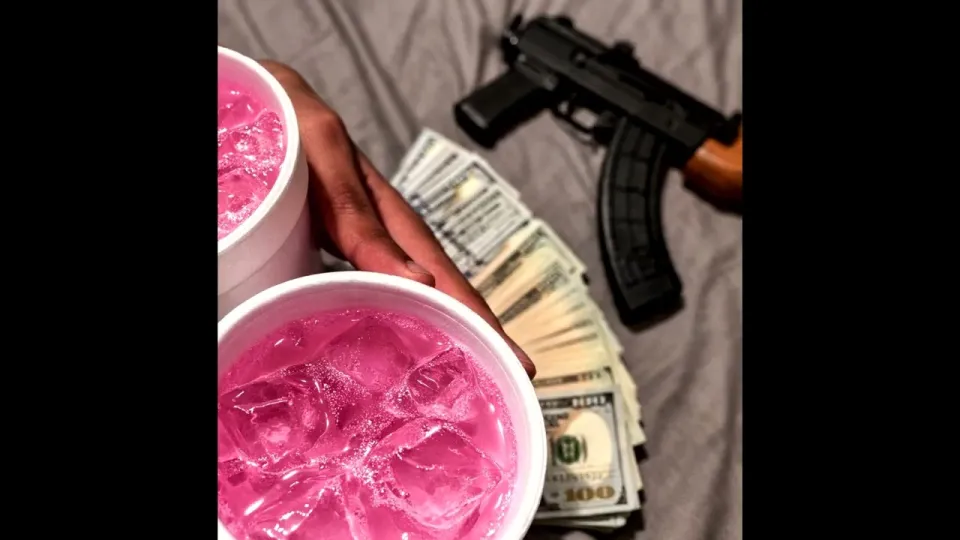
Video: [FREE] Detroit Type Beat x YN Jay Type Beat - "Crew"
Need articles like this for your video? They help promote it on YouTube and Google — order them in the Telegram bot @sat_sit_bot. The bot writes and publishes the articles itself (with your YouTube video embedded) on popular topical websites (no ads). Your first 50 articles are free.
· based on the channel Kooba II
A Detroit beat is a sparse, bass-heavy instrumental built for deadpan, punchline-driven rap from Michigan, and "Crew" by Kooba II is a free YN Jay type beat in exactly that mold: a looped sample, hard drums and open space for ad-libs. You can grab the untagged file through the BeatStars purchase link, while the free download is limited to non-profit use. This breakdown covers what makes the style tick, how the license on "Crew" actually works, and how to use the beat without collecting a copyright strike.
What defines a Detroit beat in the YN Jay lane
A Detroit beat prioritizes groove over density: the drums carry the record while the sample does the melodic work. In the YN Jay lane the tempo usually sits in a pocket where the hi-hats can roll in triplets without crowding the vocal, and the 808 slides rather than sits still. Producers in this scene often chop a soul or funk phrase into a short, repeating cell, then let the rapper's delivery fill the gaps. That is why Detroit instrumentals frequently sound emptier than Atlanta trap of the same era: the silence is part of the arrangement.
The tag cluster around "Crew" reflects that ecosystem rather than a single artist. The upload lists Detroit sample type beat, YN Jay type beat, Flint type beat, Rio Da Yung OG type beat and Baby Smoove type beat together, because the same tempo range and drum palette serve all of them. Flint sits slightly darker and more distorted; Detroit proper leans funkier and more sample-forward. A producer shopping one beat to that audience is effectively covering the whole Michigan belt.
How "Crew" is structured and where it fits a vocal
"Crew" follows the standard type-beat layout: intro, hook, verse, hook, verse, hook, with the sample loop returning unchanged so a rapper can punch in without fighting a moving arrangement. The intro is the section most listeners react to first, and the comments under the upload repeatedly point at it as the strongest moment, which is typical for sample-based Detroit beats where the loop is the hook. If you are writing to it, treat the intro as a scratchpad for your cadence before the drums land fully.
Practical placement notes for a Detroit beat like this one:
- Keep verses at 16 bars and let the hook run 8; the loop is short enough that longer hooks start to feel repetitive.
- Leave the first two bars of each verse sparse so ad-libs can sit in front of the vocal.
- Use the drop after the second hook for a beat switch or a cappella bar instead of adding a new section.
- Record ad-libs on a separate pass; the deadpan Detroit delivery relies on stacked one-word punches rather than doubled verses.
License terms on the free Detroit type beat
The free tier on "Crew" is non-profit only: YouTube uploads and SoundCloud without monetization are allowed, streaming services such as Spotify, Deezer, Tidal and iTunes are not. Content ID registration is prohibited unless you hold an exclusive license, and the producer requires credit as "Prod. Kooba" in the title or description. Breaking those terms is what triggers a copyright strike, not the download itself.
For anything that generates revenue, the path is a paid lease purchased through the BeatStars store, which unlocks distribution to streaming platforms. The store also runs a buy-2-get-1-free promotion, so three beats cost the same as two, which matters if you are building a project rather than testing one instrumental. The untagged file is the paid version; the free version carries the producer tag.
Common questions from listeners and rappers
Listeners arriving at a Detroit beat often ask whether a given loop is borrowed from an existing song, and the comment thread on "Crew" shows exactly that confusion, with several people comparing the melody to tracks they already know. Sample-based Detroit production is built on recognizable chops, so similarity is expected; what matters legally is the clearance behind the sample, which is the producer's responsibility, not the rapper's, once a lease is signed.
The second recurring theme is where the beat would sound best, and the answer is usually the intro. Producers in this scene front-load the loop because short-form clips and freestyle videos tend to start at second one. The third theme is language: the comment section fills up with verses in Portuguese, Serbian, Turkish, Italian, French and Spanish, which is a useful signal that the Detroit template travels well outside the US because the arrangement leaves room for any syllabic rhythm.
How to pick a Detroit type beat that fits your voice
Match the beat to your delivery before you match it to a trend. If you rap in a flat, conversational tone, choose a Detroit beat with a busier sample and lighter drums so the loop carries energy you are not putting into the vocal. If you shout or stack aggressively, take the Flint-adjacent version with distorted 808s and let the low end do the work.
A quick checklist before you commit to a beat:
- Confirm the tempo feels comfortable at your natural cadence, not one you have to force.
- Test whether the sample loop leaves a gap on the one-beat where your punchlines land.
- Check the license tier: free for non-profit, lease for streaming, exclusive for Content ID.
- Verify the credit requirement, since Detroit producers in this scene consistently ask for the "Prod." tag in the title.
Useful links
- Untagged purchase of "Crew" and the buy-2-get-1-free offer: https://bsta.rs/CPKdUd
- Producer's beat store: https://www.beatstars.com/prodkooba
- Producer's Instagram: https://www.instagram.com/prodkooba
Bottom line on the Detroit beat template
"Crew" is a clean example of the Detroit beat formula as it stands in 2026: a short sample loop, drums that leave room for deadpan delivery, and a license structure that separates free promotion from monetized release. The free tier is genuinely usable for YouTube and non-monetized SoundCloud, provided you credit Prod. Kooba; anything on streaming platforms needs a lease, and Content ID needs an exclusive. If the loop grabs you, the untagged version is one click away at https://bsta.rs/CPKdUd, and the buy-2-get-1-free deal makes a three-track run cheaper than buying singles. The breakdown above was assembled around the upload from the Kooba II channel, which is the place to follow for further Detroit and YN Jay type beats.
Key takeaways
- "Crew" is a free Detroit type beat by producer Kooba (channel Kooba II), built around a YN Jay style bounce.
- Free use covers YouTube and non-monetized SoundCloud only; Spotify, Deezer, Tidal and iTunes require a paid lease.
- Content ID registration is blocked without an exclusive license, and credit "Prod. Kooba" is mandatory.
- The untagged version sells via BeatStars, with a buy-2-get-1-free offer on the store.
- The Detroit tag family in 2026 spans Flint, Rio Da Yung OG, Babyface Ray, Veeze and Baby Smoove type beats.
Source: [FREE] Detroit Type Beat x YN Jay Type Beat - "Crew" · Markdown version
Questions & answers
Is the "Crew" Detroit type beat really free?
Yes, but only for non-profit use: YouTube videos and SoundCloud uploads without monetization. Streaming services like Spotify, Deezer, Tidal and iTunes require a paid lease, and Content ID is off-limits without an exclusive license.
Do I have to credit the producer when I use this beat?
Yes. The terms require credit as "Prod. Kooba" in the title or description. Skipping the credit is one of the fastest ways to receive a copyright strike on the free tier.
Can I use a Detroit type beat for a song I plan to sell?
Not on the free tier. You need a lease from the producer's BeatStars store, which covers distribution to streaming platforms. The store also runs a buy-2-get-1-free offer, so you can license several beats at once.
Why do people say the sample sounds familiar?
Detroit beats are built on short chops of existing soul and funk records, so the loop often echoes something you have heard. Clearance of that sample is the producer's responsibility; your lease covers your use of the instrumental, not the underlying composition.